

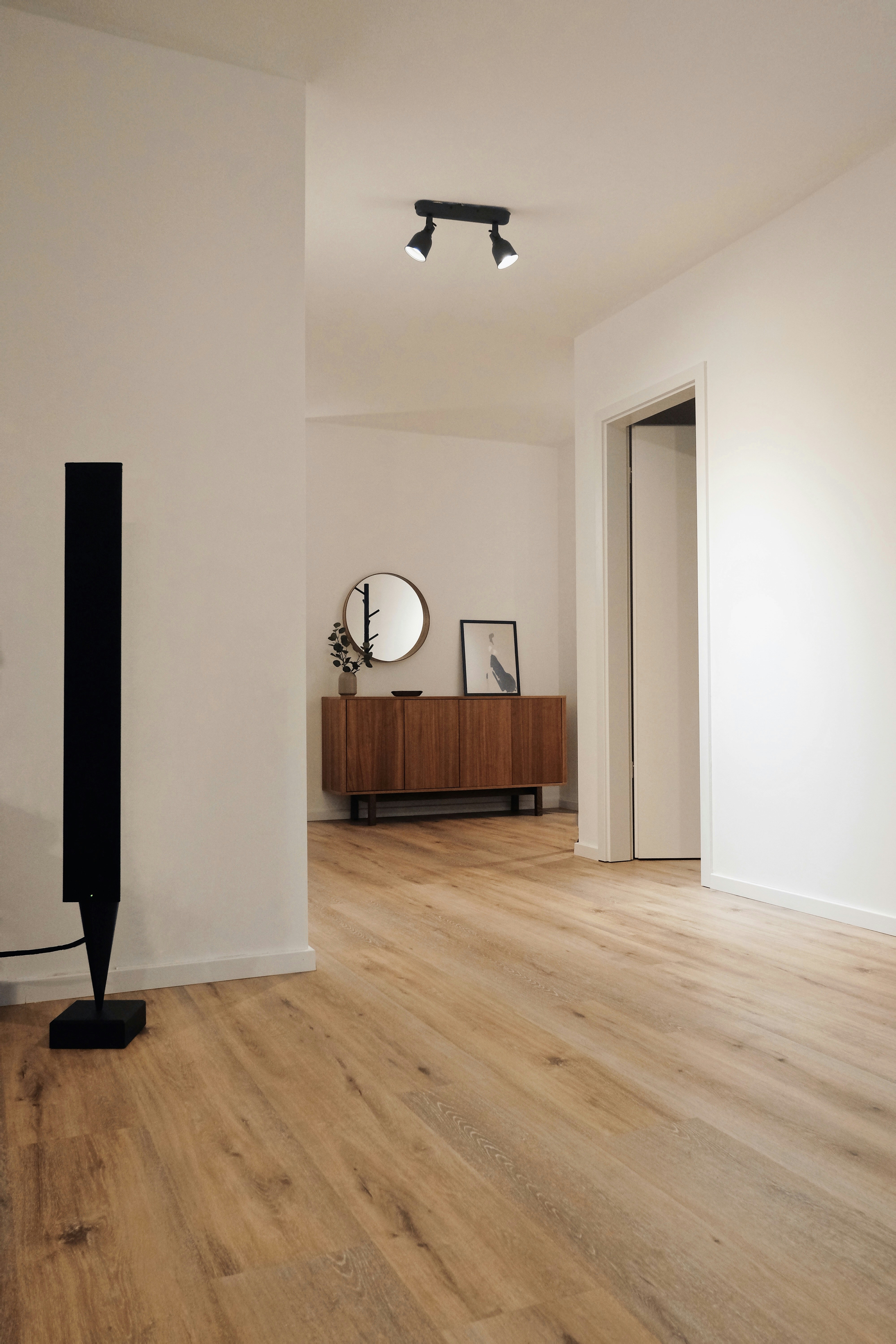
When it comes to selling your home, not all renovations are created equal. Some improvements can significantly boost your home's value and help you sell faster, while others may not provide a good return on investment. Understanding which renovations generate positive equity and which ones are a waste of money is crucial for making informed decisions. Here's a guide to help you prioritize renovations that will maximize your return as a seller.
Renovations That Generate Positive Equity
1. Kitchen Remodels
The kitchen is often considered the heart of the home, and potential buyers pay close attention to its condition. A minor kitchen remodel can yield a high return on investment. Focus on updates that improve functionality and aesthetics, such as:
- Upgrading countertops to granite or quartz
- Installing new, energy-efficient appliances
- Repainting or refacing cabinets
- Adding a stylish backsplash
- Replacing old fixtures and hardware
2. Bathroom Upgrades
Bathrooms are another critical area for buyers. Modernizing your bathrooms can significantly increase your home's appeal and value. Key updates include:
- Installing new tile flooring
- Upgrading to a modern vanity and sink
- Replacing old fixtures with energy-efficient ones
- Adding a new, stylish mirror and lighting
- Re-grouting or re-caulking the tub and shower
3. Enhancing Curb Appeal
First impressions matter, and the exterior of your home is the first thing buyers see. Simple improvements to boost curb appeal can make a big difference, such as:
- Painting the front door and adding new hardware
- Updating landscaping with fresh plants, flowers, and mulch
- Power washing the exterior, driveway, and walkways
- Replacing or repairing the garage door
- Adding outdoor lighting
4. Adding or Improving a Deck
Outdoor living spaces are highly desirable. Adding a deck or improving an existing one can provide a good return on investment. Ensure the deck is made from durable materials and is well-maintained.
5. Replacing Windows and Doors
Energy-efficient windows and doors can attract buyers looking to save on utility costs. Replacing old, drafty windows and doors not only improves energy efficiency but also enhances the home's overall appearance.
6. Basement Finishing
If you have an unfinished basement, consider finishing it to add additional living space. A finished basement can serve as a family room, home office, or extra bedroom, adding significant value to your home.
7. Updating Flooring
New flooring can dramatically change the look and feel of your home. Replacing worn-out carpet with hardwood or laminate flooring is a popular choice among buyers. If you have hardwood floors, refinishing them can also provide a good return on investment.
Renovations That Are Often a Waste of Money
1. Overly Customized Additions
Highly personalized renovations that cater to very specific tastes may not appeal to a broad range of buyers. For example, converting a bedroom into a home theater or a wine cellar might not provide a good return on investment.
2. Expensive Landscaping
While curb appeal is important, investing in elaborate or high-maintenance landscaping may not yield significant returns. Stick to simple, clean, and easy-to-maintain landscaping improvements.
3. Luxury Upgrades
High-end upgrades, such as expensive light fixtures, custom cabinets, or top-of-the-line appliances, may not provide a good return in a mid-range home. Buyers may not be willing to pay extra for luxury items, especially if the rest of the home does not match the same level of luxury.
4. Swimming Pools
Installing a swimming pool is a costly project that often doesn't pay off. Many buyers see pools as a maintenance hassle and a safety concern, especially for families with young children. In colder climates, the pool may only be usable for a few months out of the year.
5. Home Office Remodels
While home offices have become more popular, converting an entire room into a dedicated office space may not provide a high return. Instead, consider staging a portion of a room as a flexible workspace without permanent modifications.
6. Sunrooms
Adding a sunroom can be an attractive feature, but it's also expensive and may not offer a good return on investment. The cost of building and maintaining a sunroom often outweighs the added value it brings to the home.
7. Unnecessary High-End Upgrades
Over-improving your home by adding high-end features that are inconsistent with the neighborhood can lead to diminishing returns. For example, installing a home automation system in a modest neighborhood may not be appreciated by potential buyers.
Conclusion
When preparing your home for sale, focus on renovations that offer the highest return on investment and appeal to the broadest range of buyers. Kitchens, bathrooms, curb appeal, and energy-efficient updates are typically the most rewarding areas to invest in. Avoid overly personalized or extravagant upgrades that may not resonate with potential buyers.
If you're planning to sell your home and need advice on which renovations to prioritize, feel free to reach out. As an experienced REALTOR®, I'm here to help you make informed decisions that will maximize your home's value and ensure a successful sale.