


Home Heating Systems in Manitoba: What Every Buyer and Seller Should Know
When buying or selling a home in Manitoba, understanding the home heating systems available is one of the most important steps you can take. With our notoriously cold winters, the right heating system affects your comfort, monthly utility bills, and even your home's resale value.
In this guide, I'll walk you through 7 common home heating systems in Manitoba — what they are, how they work, what they cost to run, and what rebates and incentives are available through Efficiency Manitoba.
Whether you're buying your first home, upgrading your current system, or listing a property, this guide will help you make a more informed decision.
1. Heat Pump
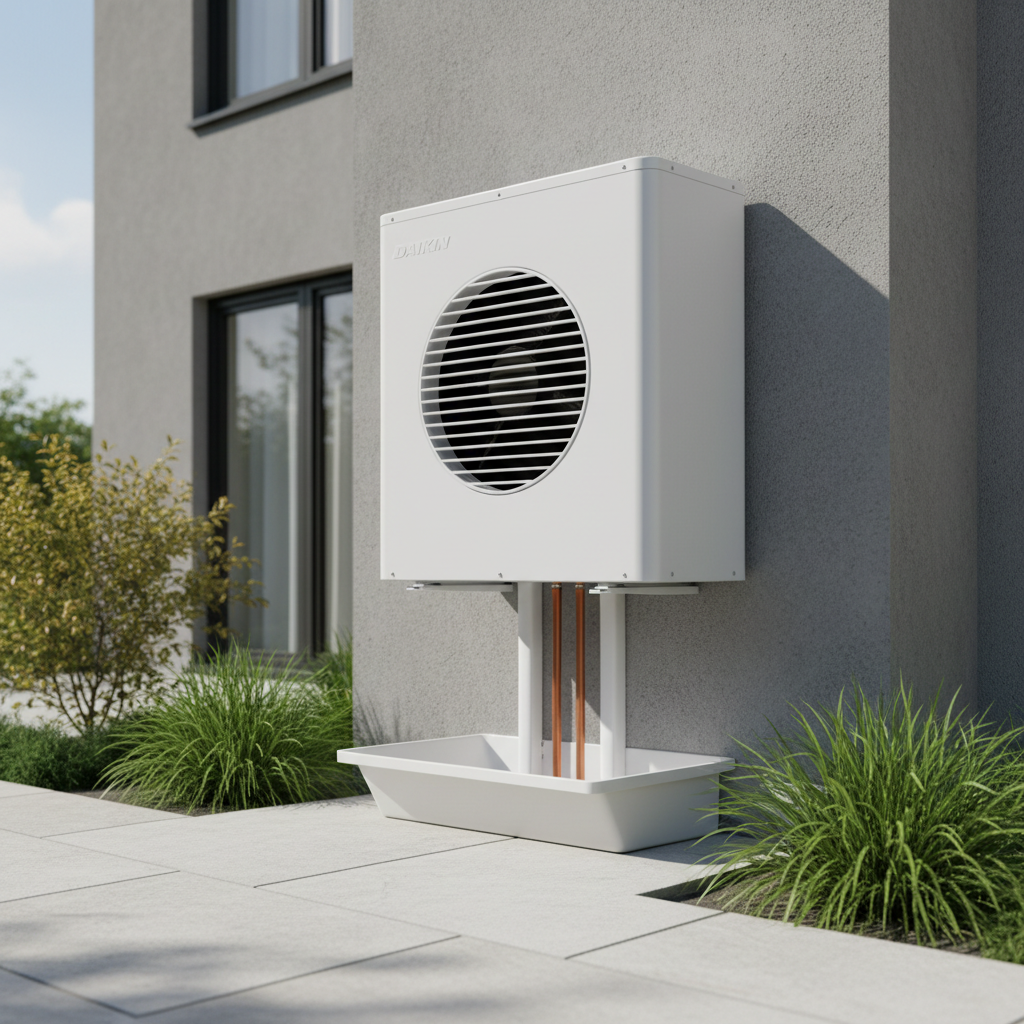
A heat pump is one of the most energy-efficient home heating systems in Manitoba today. Rather than burning fuel, it moves heat from the outdoor air (or ground) into your home — and reverses in summer to act as air conditioning.
How It Works
Heat pumps use refrigerant and a compressor to extract heat energy from outdoor air and transfer it inside. Modern cold-climate models now function effectively down to -30°C, making them increasingly viable for Manitoba winters.
Pros
- Extremely energy-efficient — produces 2–4x more energy than it consumes
- Provides both heating AND cooling in one system
- Lower long-term operating costs
- Environmentally friendly — significantly lower carbon footprint
- Eligible for substantial rebates through Efficiency Manitoba
Cons
- Higher upfront installation cost
- May require a backup heating source for extreme cold days
- Not all homes are set up for easy installation
Efficiency Manitoba Rebates
Efficiency Manitoba offers enhanced rebates and incentives for both air source and ground source heat pump installations. This can significantly offset the upfront cost. Visit efficiencymb.ca/heat-pumps for current program details. Manitoba Hydro also offers the Home Energy Efficiency Loan to help finance qualifying upgrades with payments added to your energy bill.
Best For
Homeowners looking to reduce energy costs long-term and buyers seeking modern, efficient homes with year-round comfort.
2. Natural Gas Furnace
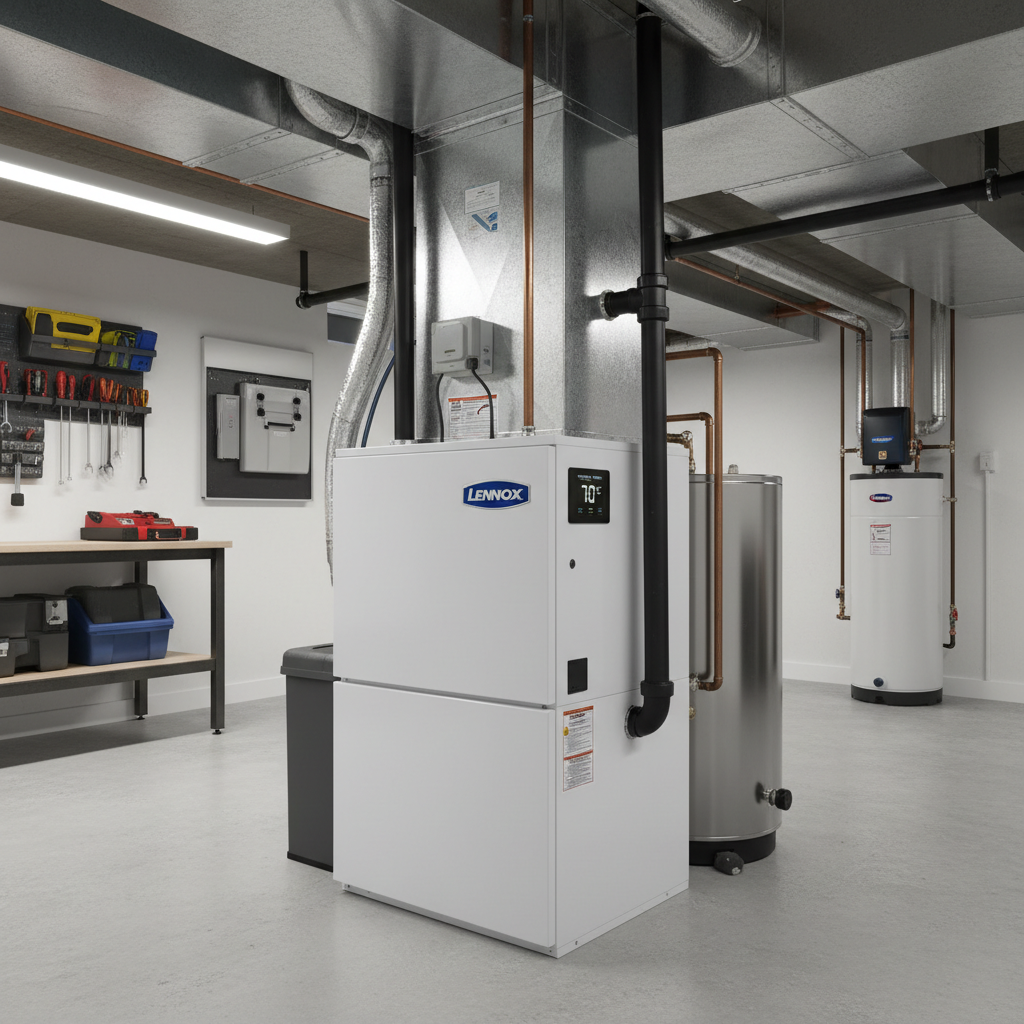
The natural gas furnace is the most common home heating system in Manitoba. It burns natural gas to generate heat, distributed through ductwork to every room.
How It Works
Gas is ignited in the furnace burner. A heat exchanger warms the air, and a blower fan pushes it through ducts throughout the home.
Pros
- Highly effective even in extreme Manitoba cold
- Natural gas is generally less expensive than electricity per BTU
- High-efficiency models (AFUE 96%+) are very cost-effective
- Compatible with central air conditioning add-ons
- Widely serviced across Winnipeg and Manitoba
Cons
- Requires access to a natural gas line (not available everywhere)
- Combustion produces carbon emissions
- Ductwork requires maintenance and can circulate allergens
- Annual professional servicing is recommended
Best For
Most Manitoba homeowners, especially in urban areas with gas access. It's reliable, cost-effective, and the system buyers will most commonly encounter.
3. Oil Furnace
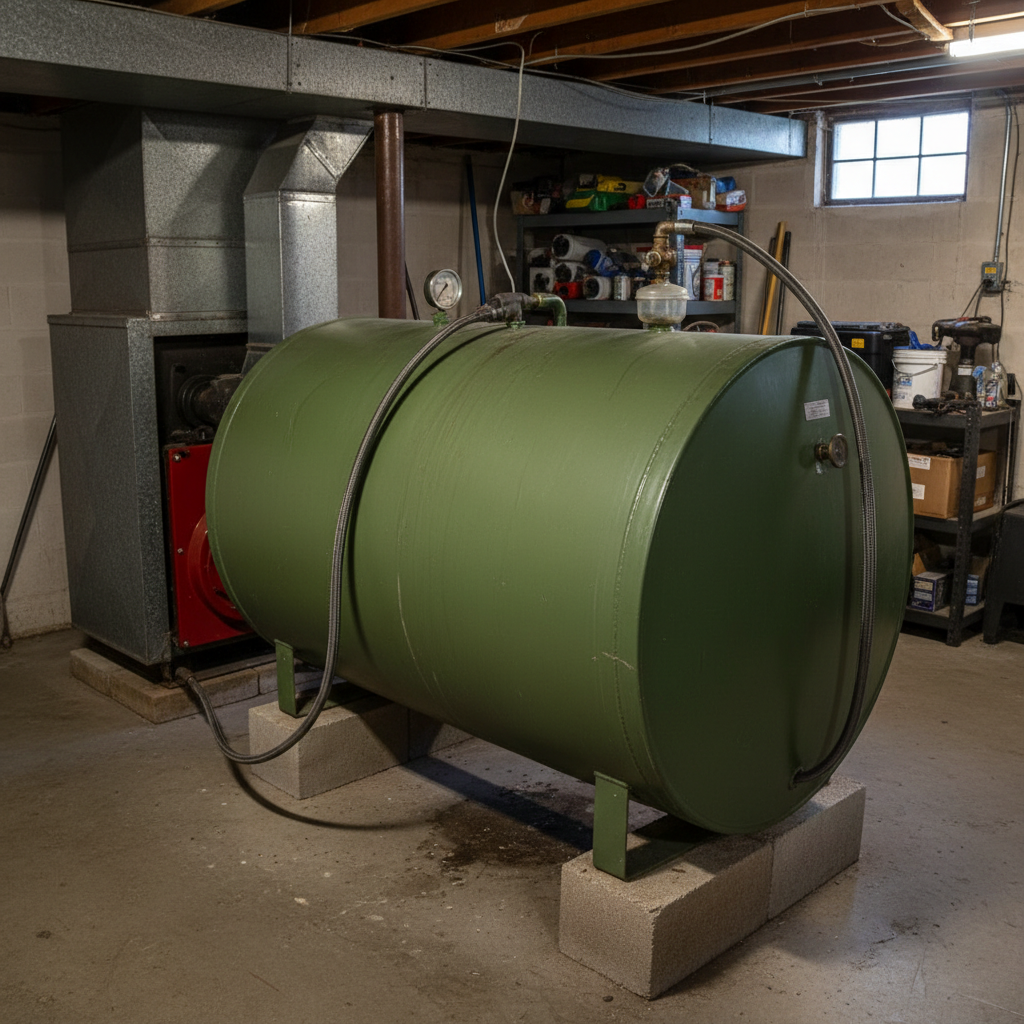
An oil furnace operates similarly to a natural gas furnace but burns heating oil stored in a tank on the property. While less common in new construction, oil furnaces are still found in many older Manitoba homes — particularly in rural areas without gas service.
How It Works
Heating oil is pumped from an on-site storage tank to the furnace burner. The combustion heats air that is then distributed through ductwork, just like a gas furnace.
Pros
- Does not require a natural gas line — works anywhere
- Oil produces a very high heat output per BTU
- Reliable in extreme cold
- Existing ductwork can often be repurposed if upgrading to gas or a heat pump
Cons
- Heating oil prices fluctuate significantly and are generally higher than natural gas
- Requires an on-site oil storage tank (maintenance, potential leak liability)
- Higher carbon emissions than gas or electric systems
- Fewer qualified technicians compared to gas systems
- Older systems can be less efficient (AFUE 70–80%)
Best For
Rural properties without natural gas access. Buyers purchasing a home with an oil furnace should factor in the cost to convert to gas or a heat pump as a future upgrade.
4. Outdoor Wood Pellet Furnace
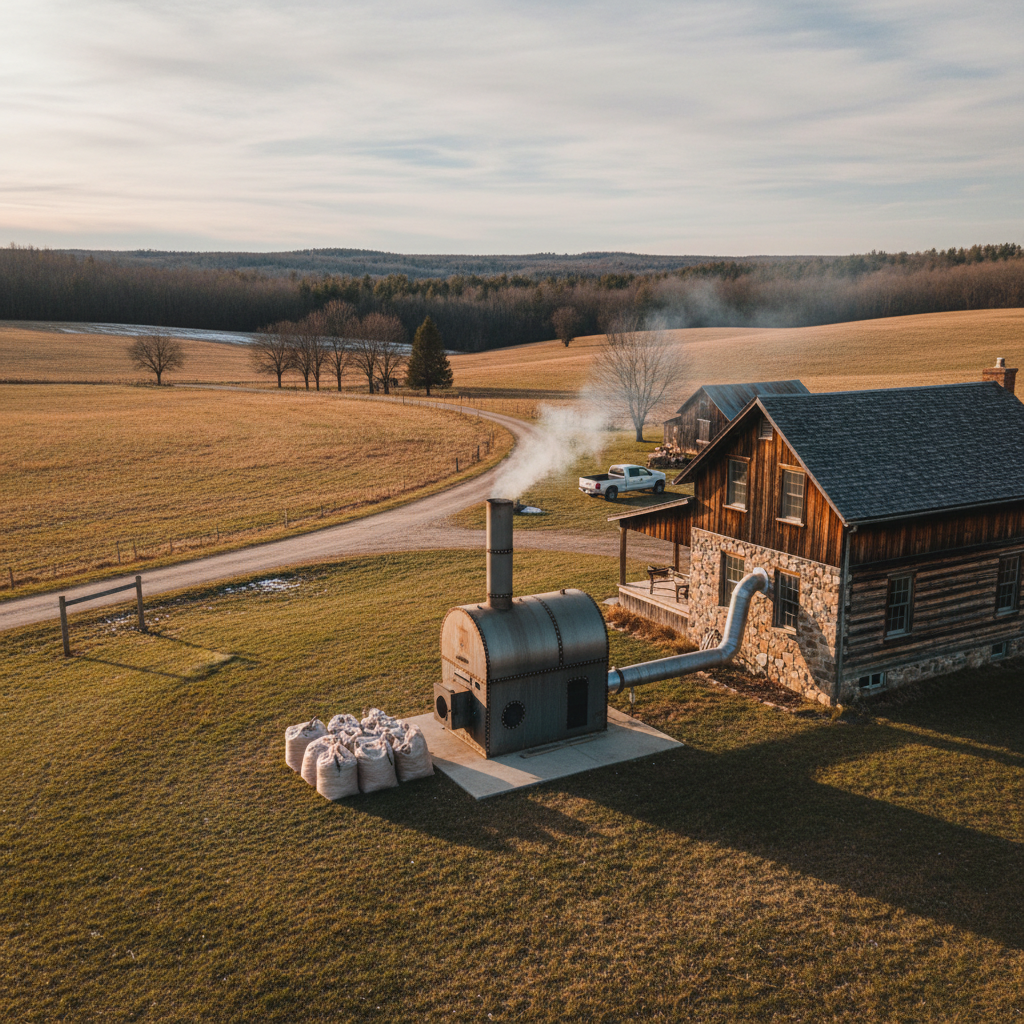
An outdoor wood pellet furnace (also called an outdoor wood pellet boiler) is a biomass heating system that burns compressed wood pellets to heat water, which is then piped into the home to provide heat. It's an eco-friendlier alternative to oil in rural or acreage properties.
How It Works
Wood pellets are fed automatically (via an auger system) into a combustion chamber outside the home. The heat generated warms water in the boiler, and that hot water circulates through insulated underground pipes into the home's heating system — radiators, in-floor heat, or a forced-air exchanger.
Pros
- Uses renewable biomass fuel — significantly lower carbon footprint than oil or gas
- Wood pellets are typically less expensive than heating oil
- Automated pellet feeding means less manual work than a traditional wood stove
- Can heat very large properties and outbuildings simultaneously
- Qualifies for some federal and provincial incentive programs
Cons
- Higher upfront installation cost
- Requires bulk pellet storage and regular deliveries
- Outdoor unit requires maintenance and weatherproofing
- Not practical for urban or small-lot properties
- Ash removal and unit cleaning required periodically
Best For
Acreage properties, hobby farms, and rural homeowners looking for a cost-effective and eco-friendly alternative to oil. Increasingly popular in rural Manitoba communities.
5. Electric Furnace
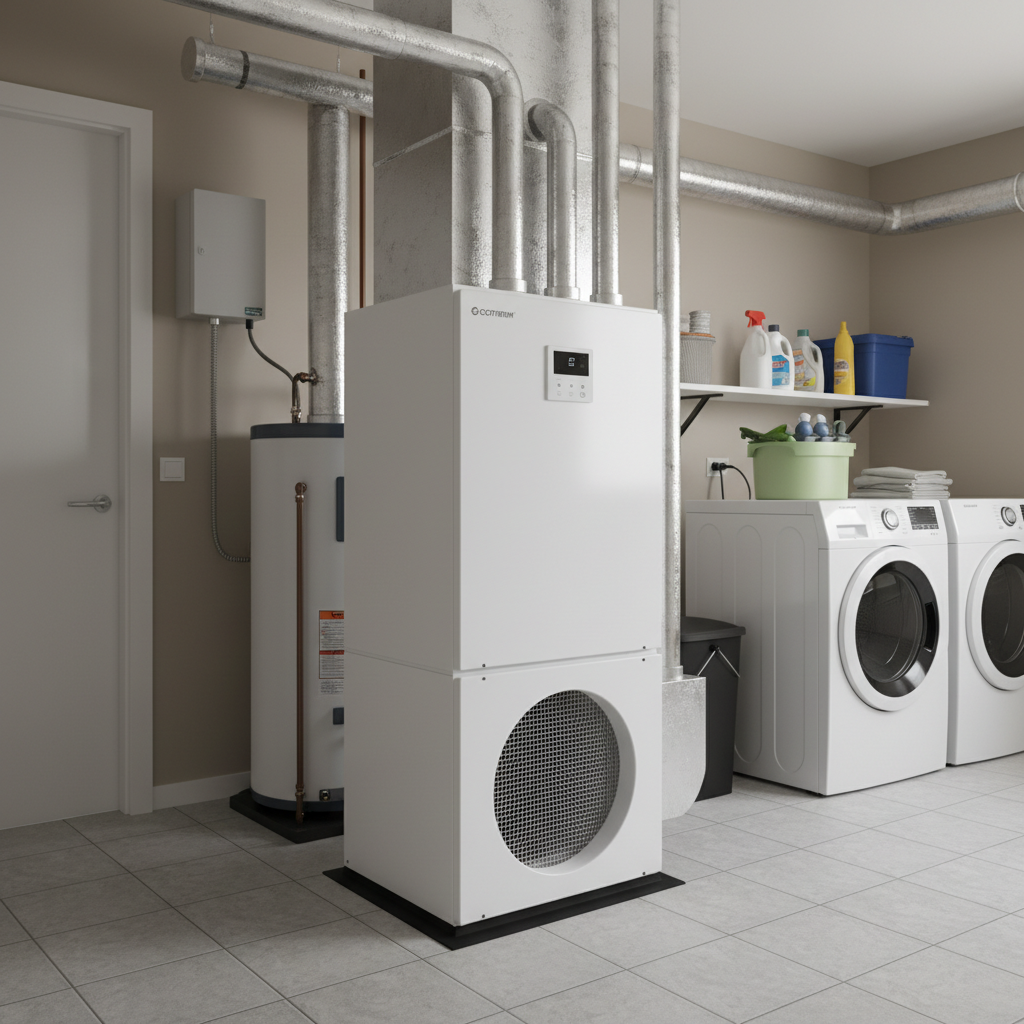
An electric furnace works like a gas furnace but uses electric resistance heating elements instead of combustion. It distributes warm air through the same ductwork system.
How It Works
Electric resistance coils heat up when current passes through them. A blower pushes the warmed air through the home's duct system.
Pros
- No gas line required — works anywhere with electrical service
- Lower installation cost than gas furnaces
- No risk of carbon monoxide from combustion
- Quiet and reliable with fewer mechanical parts
Cons
- Highest operating costs of forced-air systems — electricity is more expensive per BTU than gas in Manitoba
- Monthly hydro bills can be significantly higher in winter
- Not the most practical primary system for Manitoba's deep-freeze winters
Best For
Rural homes without gas access, secondary properties, or as a backup system. Buyers should request utility cost history when a home has electric furnace heating.
6. Electric Baseboard Heaters
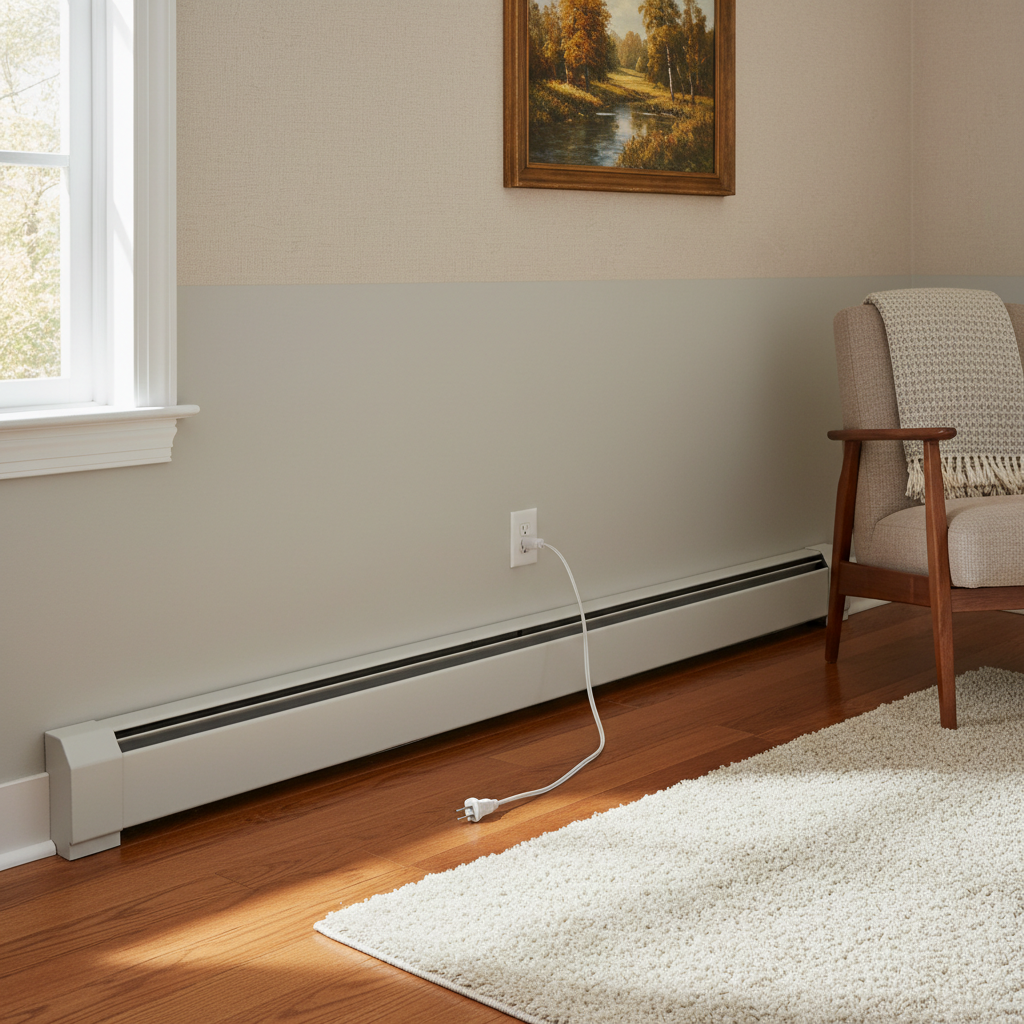
Electric baseboard heaters are a zone-based heating system common in older homes, apartments, condos, and additions where ductwork isn't practical. Each room has its own heater with independent temperature control.
How It Works
Baseboard heaters use electric resistance to warm air directly in the room. Cool air enters at the bottom, is heated, and rises naturally through convection — no fan or ducts needed.
Pros
- Zone control — only heat rooms that are occupied
- No ductwork — simple and inexpensive to install
- Silent operation
- Individual thermostats for each room
Cons
- Highest operating cost per BTU of any common system
- Slow to heat large spaces
- Furniture placement limited (items must not block heaters)
- Can create very dry air in winter
Best For
Supplemental heating, condos, home additions, or cottages. Buyers should carefully budget for utility costs when baseboard is the primary heat source.
7. Hot Water Boiler (Hydronic Heating)
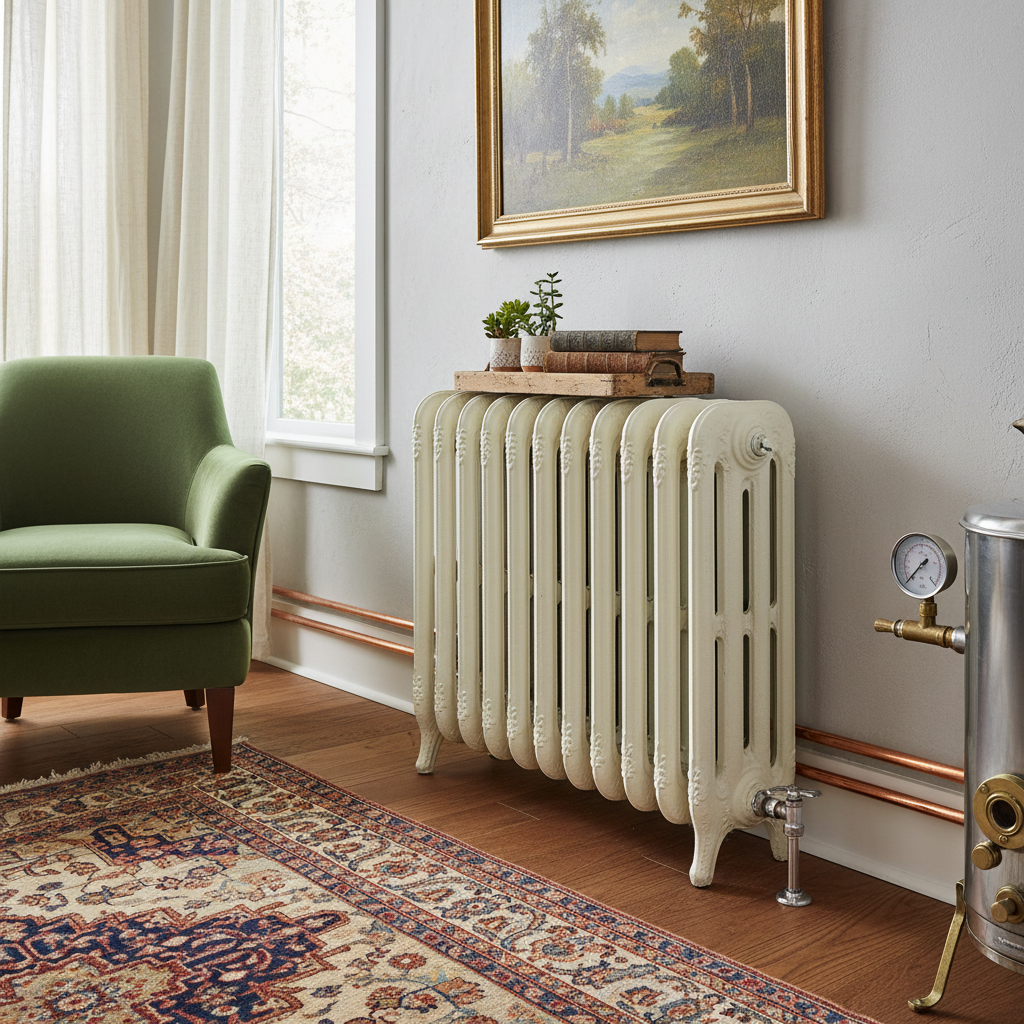
A hot water boiler system, or hydronic heating, uses a boiler to heat water that circulates through pipes to radiators, baseboard units, or radiant in-floor tubing. It delivers some of the most comfortable heat available.
How It Works
The boiler heats water (using gas, oil, or electricity). Hot water travels through a closed loop of pipes to heating units in each room, releasing warmth, then returning to be reheated.
Pros
- Very even, draft-free heat — no blowing air
- Ideal for radiant in-floor heating
- Great for allergy sufferers — no airborne dust circulation
- Systems often last 20–30+ years with proper maintenance
- Excellent for zoning large homes
Cons
- Higher installation cost and complexity
- Cannot provide cooling — a separate system is needed for AC
- Slower response time to thermostat changes
- Older oil-fired boilers can be expensive to operate
Best For
Older Winnipeg character homes, luxury properties with radiant floors, and buyers who prioritize comfort. Many homeowners who have experienced hydronic heat never go back.
Efficiency Manitoba Rebates & Incentive Programs
If you're upgrading or replacing a home heating system in Manitoba, it's worth exploring the programs offered through Efficiency Manitoba. These programs are designed to help Manitoba homeowners reduce energy consumption while lowering upfront costs:
- Heat Pump Rebates — Enhanced rebates and incentives for air source and ground source heat pump installations
- Income-Based Offers — If you're on a limited income, Efficiency Manitoba can help you lower monthly energy bills with free or subsidized upgrades
- Métis Energy Efficiency Offers — Free or subsidized energy efficiency upgrades for eligible Métis homeowners
- Community Heat Pump Program — Enhanced rebates for First Nation communities
- Manitoba Hydro Home Energy Efficiency Loan — Finance qualifying upgrades with payments conveniently added to your energy bill
These programs can make a significant difference in the total cost of a heating system upgrade. I always encourage buyers and sellers to check current offerings before making a final decision.
Comparing Home Heating Systems in Manitoba
| System | Efficiency | Install Cost | Operating Cost | Cools Too? | Rebates? |
|---|---|---|---|---|---|
| Heat Pump | ★★★★★ | High | Low | Yes | Yes |
| Natural Gas Furnace | ★★★★ | Medium | Low–Medium | With Add-On | Some |
| Oil Furnace | ★★★ | Medium | Medium–High | With Add-On | No |
| Wood Pellet Furnace | ★★★★ | High | Low–Medium | No | Some |
| Electric Furnace | ★★★ | Low–Medium | High | With Add-On | No |
| Electric Baseboard | ★★ | Low | Very High | No | No |
| Hot Water Boiler | ★★★★ | High | Medium | No | Some |
What to Ask About Heating When Buying a Home in Manitoba
The type of home heating system in Manitoba matters — but so does its age, maintenance history, and efficiency rating. Here's what I recommend buyers always ask about:
- What type of heating system is installed, and how old is it?
- When was it last professionally serviced?
- What are the average monthly utility costs in winter?
- Is the system under warranty?
- Has the homeowner looked into Efficiency Manitoba upgrade incentives?
If you're selling a home in Winnipeg, having recent service records, a high-efficiency furnace, or a newer heat pump installation can be a meaningful selling point — especially with energy-conscious buyers.
Want help evaluating a specific property's heating system or understanding how it affects value? Reach out — I'm happy to walk you through it. You can also explore my Winnipeg home buying guide or learn about selling your home in Winnipeg for more resources.