

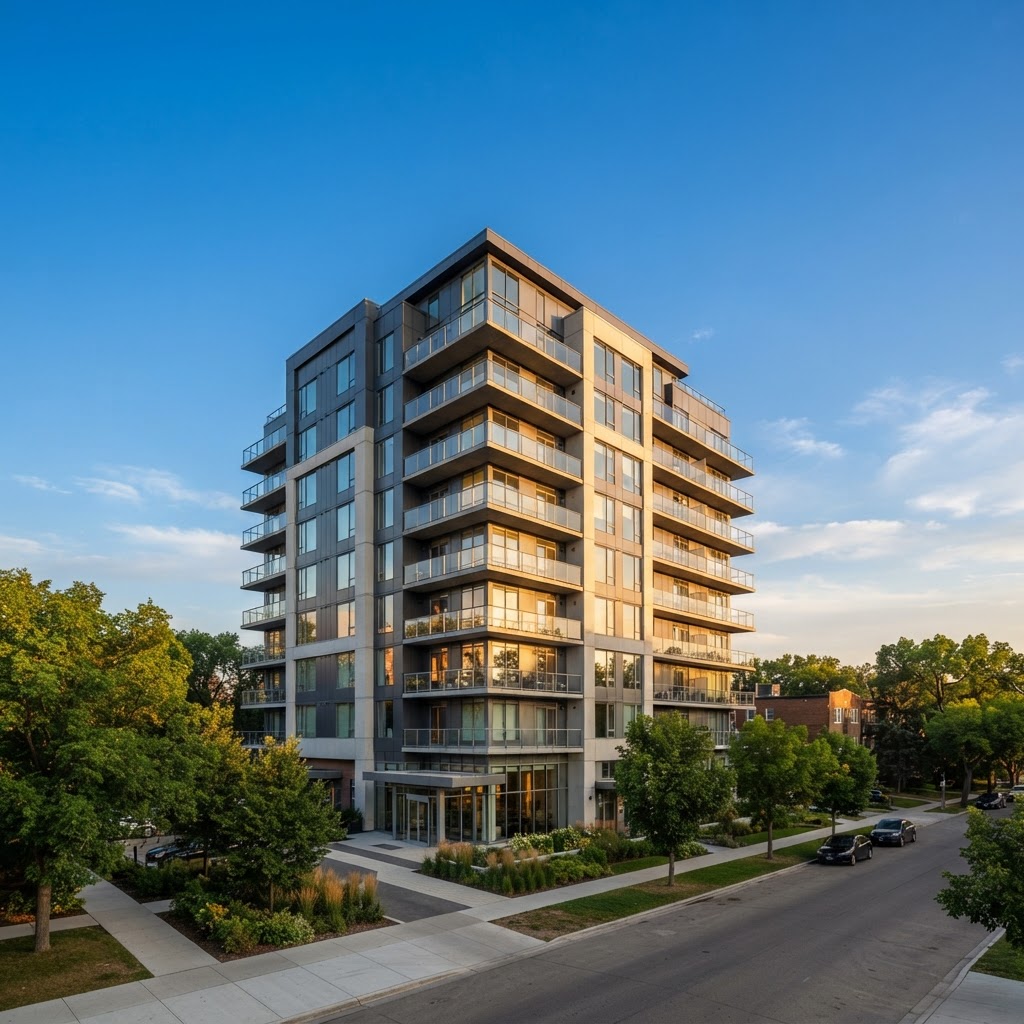
Buying a condo in Winnipeg means buying two things at once: your unit, and a share of a small corporation that owns everything around it. The building's finances are your finances. That's why the smartest condo purchase decisions are made not in the suite — however nice the kitchen is — but in a stack of documents most buyers have never heard of until their offer is accepted. Here's what condo fees really cover, why the reserve fund is the single most revealing number in the building, and how Manitoba's cooling-off period gives you a protection buyers in most provinces don't get.
What Condo Fees Actually Cover
Monthly condo fees (formally, common expense contributions) fund the operation of the building: maintenance of common elements, snow clearing and landscaping, building insurance, management fees, utilities that are shared or bulk-metered, amenities, and — critically — contributions to the reserve fund.
Two buildings with different fees are not automatically "cheap" and "expensive." A building with higher fees that include heat and water, generous reserve contributions, and diligent maintenance can be a far better deal than a building with low fees that defer everything. Compare what the fees include and where the money goes, not just the number. Artificially low fees are one of the most common condo traps: they feel great until the building's true costs arrive as a special assessment.
The Reserve Fund: The Building's Savings Account
The reserve fund is money the condominium corporation sets aside for major repairs and replacements — the roof, elevators, parking structure, windows, boilers. Manitoba's condominium legislation requires corporations to maintain a reserve fund and to obtain reserve fund studies, in which a professional assesses the building's components, projects when major work will be needed, and recommends how much should be saved.
When you review a building, you're looking for alignment between three things: what the reserve fund study says the building will need, what the fund actually holds, and what the corporation contributes each year. A healthy building saves ahead of its needs. An unhealthy one shows a thin fund, an aging component list, and minutes full of deferred decisions — and its future repairs will be funded the hard way, through special assessments: one-time levies on every owner, sometimes reaching tens of thousands of dollars per unit for major structural work. The reserve fund is how you see that risk before you own a share of it.
The Documents That Tell You Everything
In Manitoba, a condo seller must provide the buyer with a package of disclosure documents — commonly called status documents — and reviewing them is the heart of condo due diligence. Focus on: the financial statements and budget (is the corporation running a surplus or bleeding?); the reserve fund study and current balance; the minutes of recent board and general meetings (this is where upcoming problems, disputes, and planned assessments appear first, in plain language); the declaration, bylaws, and rules (pets, rentals, parking, renovations — the rules you're agreeing to live under); the insurance certificate (what the corporation insures versus what your own condo policy must cover, including the deductible you could be responsible for); and any disclosure of pending lawsuits or special assessments.
Have your lawyer review the package — and read the minutes yourself. Nothing tells you more about a building's real condition and culture than two years of its own meeting notes.
Manitoba's 7-Day Cooling-Off Period: Your Safety Net
Here's the protection many Winnipeg buyers don't realize they have: under Manitoba's Condominium Act, a buyer generally has a seven-day cooling-off period after receiving the required disclosure documents (or signing the agreement, whichever is later) during which they can cancel the purchase — without penalty and without needing a reason.
This is not a formality. It exists precisely so you can do everything described above after your offer is accepted: read the documents, involve your lawyer, and walk away clean if the building's finances don't hold up. Used properly, the cooling-off period turns condo buying from an act of faith into an informed decision. Mark the deadline on your calendar the day you receive the documents, and don't let it expire unexamined.
Beyond the Building: The Usual Rules Still Apply
Everything else about buying still applies to condos — financing and pre-approval, a home inspection of the unit itself (and what the inspector can see of common elements), closing costs including Manitoba's land transfer tax, and possession-day adjustments that include your first prorated condo fees. Our Condo Buyer's Guide and Closing Costs Guide walk through both in detail.
Frequently Asked Questions
What is a special assessment on a condo?
A one-time charge levied on all owners when the corporation needs money beyond its budget and reserve fund — typically for major repairs. Strong reserve planning makes them rare; weak planning makes them inevitable. Reviewing the reserve fund before buying is how you judge that risk.
Are high condo fees a red flag?
Not by themselves. Fees must be judged against what they include and the building's age and amenities. A suspiciously low fee in an older building is more often the red flag — it can signal underfunded reserves and deferred maintenance.
How long is the cooling-off period when buying a condo in Manitoba?
Generally seven days from receiving the required disclosure documents (or signing the agreement, whichever comes later), during which the buyer can cancel without penalty. Confirm how the period applies to your specific transaction with your REALTOR® and lawyer — and use the time to actually review the documents.
Buying a Condo in Winnipeg? Use Your Seven Days Well
From Osborne Village high-rises to suburban townhouse-style condos, I help buyers read past the granite countertops to the documents that determine whether a building is a sound investment — and I make sure your cooling-off period does the job it was designed for. Download my free Condo Buyer's Guide or get in touch before you start viewing.
Mark Goldade, CD — REALTOR®
Mark Goldade Personal Real Estate Corporation · Royal LePage Prime Real Estate
1877 Henderson Highway, Winnipeg, Manitoba R2G 1P4
Cell 431-306-2240 · Office 204-989-7900 · mark@goldaderealtor.com
This article is general information, not legal advice. Condominium requirements have precise legal definitions — have your lawyer review your documents and confirm your rights for your specific purchase.