

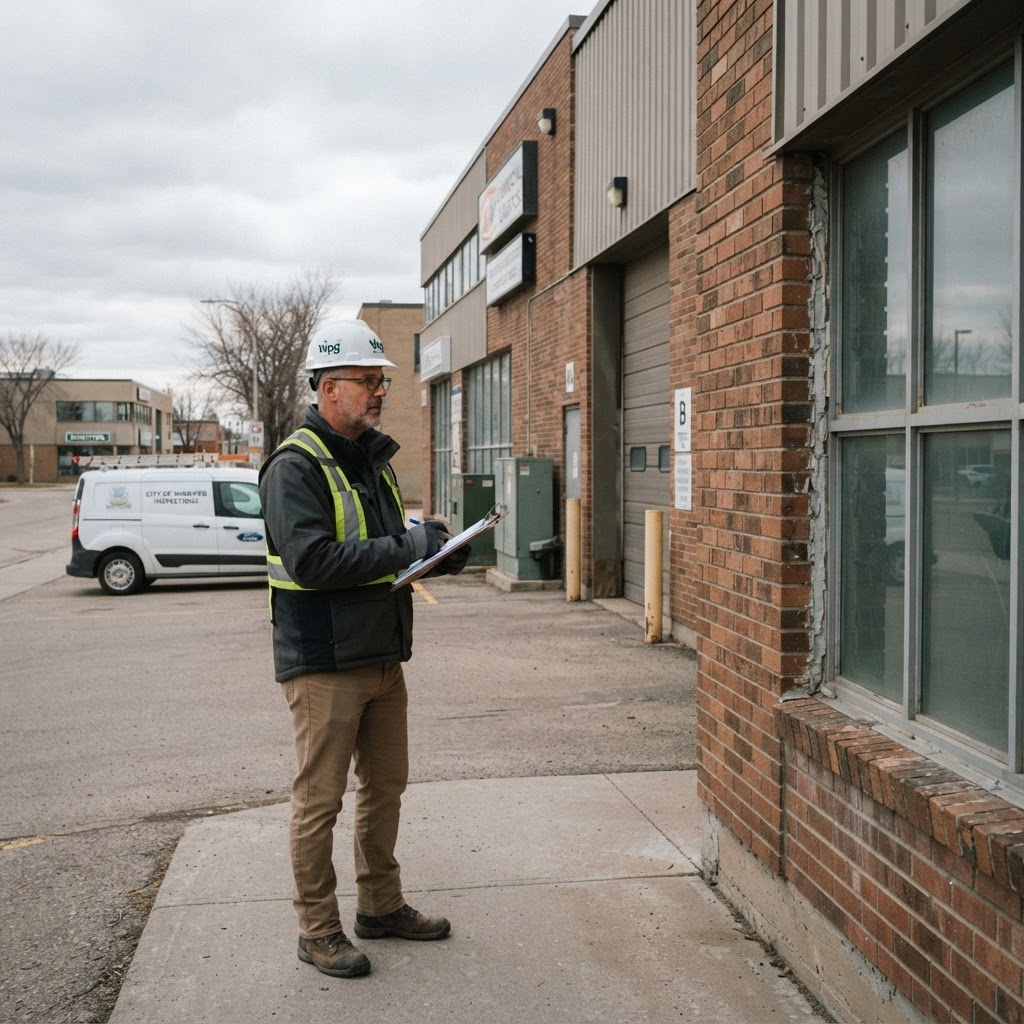
In residential real estate, due diligence usually means a home inspection and a financing condition. In commercial real estate, it's a project — and the buyers who treat it that way are the ones who avoid expensive surprises. When you buy a commercial property in Manitoba, you're not just buying a building; you're buying its environmental history, its zoning entitlements, its physical condition, its title, and the income stream its leases produce. Each one deserves its own look before your conditions come off.
Here's the due diligence checklist experienced commercial buyers work through — and why each item earns its place.
1. Environmental: The Phase I ESA
The environmental site assessment is the item most first-time commercial buyers have never heard of, and the one lenders almost always require. A Phase I ESA is a review by an environmental consultant of the property's history and current condition — past uses, neighbouring uses, records, and a site visit — to identify any potential contamination concerns. No drilling, no samples; it's a paper-and-eyes investigation.
If the Phase I flags a concern — say the site or its neighbour once housed a fuel tank, a dry cleaner, or an auto shop — a Phase II ESA follows, with actual soil or groundwater testing. Environmental liability is the reason this matters so much: contamination issues can attach to the property, and discovering them after closing is a very different conversation than discovering them during your condition period. Build enough time into your offer's conditions for the assessment, and make your obligation to close subject to results you can live with.
2. Zoning: Confirm the Use Before You Commit
A property being listed for a use doesn't guarantee it's zoned for yours. Before waiving conditions, confirm with the City of Winnipeg (or the relevant rural municipality) that your intended use is permitted under the property's zoning — and understand whether it's permitted outright or requires a conditional use approval, which involves a public process and no guaranteed outcome.
While you're at it, check the practical entitlements that come with zoning: parking requirements for your use, loading, signage rules, and any development agreements or caveats registered against the property. A building that fits your business but not your parking requirement is a problem you want to find on paper, not after possession.
3. Physical: The Building Condition Assessment
Commercial buildings hide their expensive problems in unglamorous places — the roof, the structure, the mechanical and electrical systems, the parking lot. A building condition assessment (BCA) by a qualified professional inspects the major systems and, critically, estimates the timing and cost of upcoming capital work.
That capital forecast is negotiating material. A roof with a few years left isn't a reason to walk away — it's a number that belongs in your price, your reserves, or your vendor negotiations. In Winnipeg's climate, pay particular attention to the roof, the heating systems, and the condition of paved surfaces; our freeze-thaw cycles are hard on all three.
4. Title and Legal: What You're Actually Buying
A title review by your lawyer confirms ownership and reveals what's registered against the property: mortgages and liens to be discharged, easements and rights-of-way that affect how the site can be used, caveats, and encroachments. On the transaction itself, remember that GST generally applies to commercial property sales in Canada — GST-registered buyers typically self-assess rather than paying it out of pocket, but the mechanics need to be handled correctly in the agreement. This is squarely accountant-and-lawyer territory; involve both early.
5. Financial: Verify the Income You're Paying For
If the property has tenants, the income is the product — so verify it. Review every lease in full, not just the rent roll summary: terms, expiries, renewal options, recovery provisions, and any side agreements or rent concessions. Match the rent roll against actual operating statements for the past two to three years, and look for expenses that seem to have gone quiet lately — deferred maintenance flatters net operating income right up until it doesn't.
Where possible, obtain estoppel certificates from tenants — their written confirmation of the lease terms, the rent they pay, and any landlord defaults. Your price was built on the property's income; estoppels confirm that income is what the seller says it is. For the full picture of how that income drives what you should pay, see our article on cap rates and NOI.
Build Your Team Before You Build Your Offer
Good commercial due diligence isn't a solo activity. Before you're deep in a deal, know your environmental consultant, building inspector, commercial-savvy lawyer, accountant, and lender or mortgage broker. The offer itself is where due diligence starts: condition periods long enough to do the work, access provisions for your consultants, and document delivery requirements that put the leases and financials in your hands early.
Frequently Asked Questions
How long does commercial due diligence take in Manitoba?
It depends on the property, but condition periods on commercial deals are measured in weeks, not days — environmental assessments, building assessments, and lease reviews each take time, and lenders need the results too. Trying to compress it is how things get missed.
Is a Phase I ESA always required?
It's not required by law for every purchase, but most commercial lenders require one before advancing funds, and buying without one means accepting unknown environmental risk. For most buyers, it's a when, not an if.
Who pays for due diligence costs?
Typically the buyer pays for their own due diligence — assessments, inspections, and legal review — which is why these costs belong in your acquisition budget from the start. They're the price of knowing what you're buying.
Looking at a Commercial Property?
I help buyers across Winnipeg and Manitoba run disciplined due diligence — coordinating the right professionals, structuring conditions that protect you, and pressure-testing the numbers before your deposit goes firm. I've completed the CCIM Institute's full curriculum in financial analysis, market analysis, and investment analysis for commercial real estate, and every acquisition I work on gets that level of scrutiny.
Mark Goldade, CD — REALTOR®
Mark Goldade Personal Real Estate Corporation · Royal LePage Prime Real Estate
1877 Henderson Highway, Winnipeg, Manitoba R2G 1P4
Cell 431-306-2240 · Office 204-989-7900 · mark@goldaderealtor.com
This article is general information, not legal, financial, or environmental advice. Every property is different — retain qualified professionals for your transaction.