

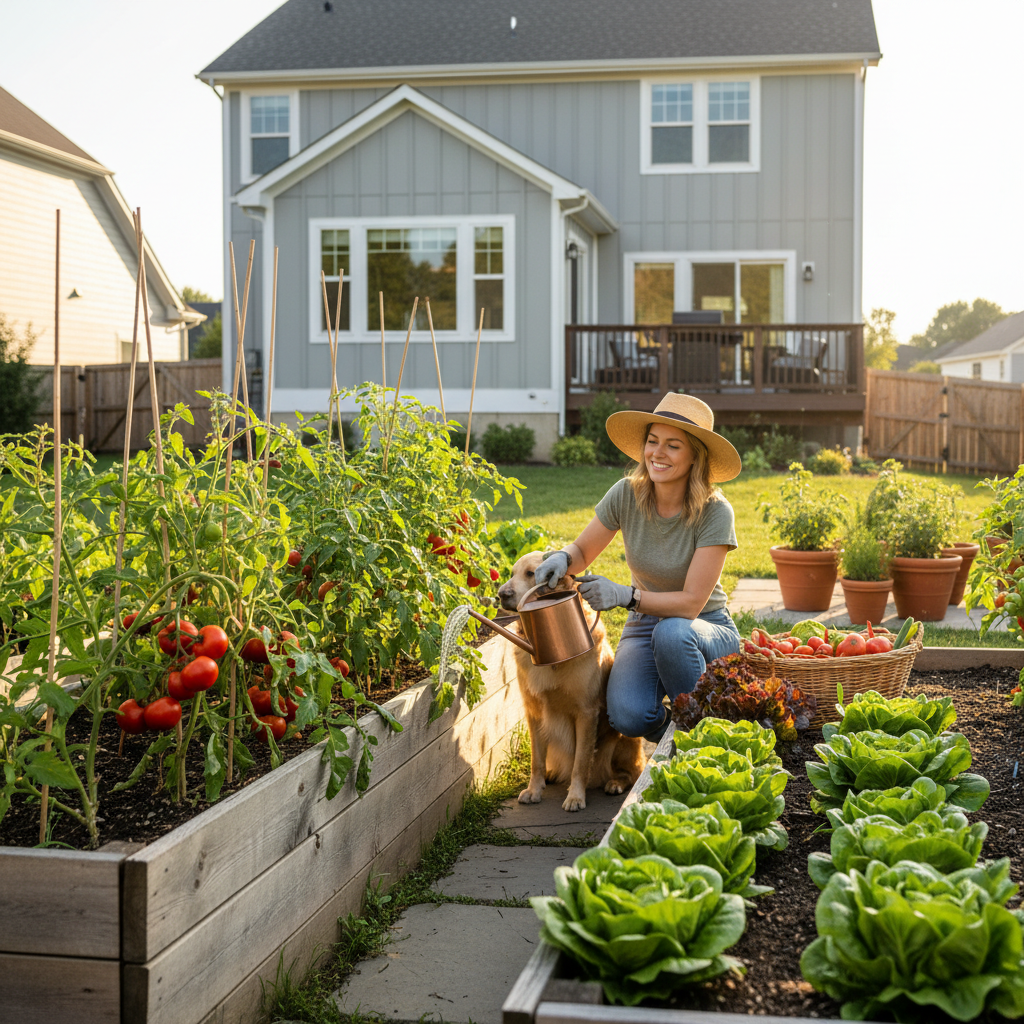
Planning Your Vegetable Garden
1. Choose the Right Location
Selecting the right spot for your garden is crucial. Vegetables need plenty of sunlight—at least 6 to 8 hours a day. Look for a location that gets consistent sun and has good drainage. Avoid low-lying areas where water may pool after rain.
2. Start Small
As a new gardener, it's best to start small. A 4x4 or 4x8-foot raised bed or a few large containers can be a manageable size to begin with. Starting small allows you to learn and expand your garden as you become more confident.
3. Select Easy-to-Grow Vegetables
Choose vegetables that are beginner-friendly and well-suited to your climate. Some easy options include:
- Tomatoes: Versatile and productive
- Lettuce: Quick-growing and perfect for salads
- Radishes: Ready to harvest in just a few weeks
- Beans: Easy to grow and highly productive
- Zucchini: Prolific producers that thrive in warm weather
- Herbs: Basil, parsley, and cilantro are simple and useful
Preparing Your Garden Bed
1. Clear the Area
Remove any grass, weeds, or debris from your chosen location. This creates a clean slate for planting.
2. Improve the Soil
Good soil is the foundation of a successful garden. Mix in compost or well-rotted manure to enrich the soil with nutrients and improve drainage. If using containers, choose high-quality potting soil.
3. Consider Raised Beds
Raised beds offer several advantages: better drainage, easier access, and the ability to control soil quality. They're also great for keeping pests at bay.
Planting Your Vegetables
1. Follow Planting Guidelines
Each vegetable has specific planting requirements. Follow seed packet instructions for depth, spacing, and timing. Generally, cool-season crops like lettuce and radishes can be planted in early spring, while warm-season crops like tomatoes and zucchini should wait until after the last frost.
2. Water Consistently
Newly planted seeds and seedlings need consistent moisture to establish roots. Water gently and regularly, keeping the soil evenly moist but not waterlogged.
3. Mulch
Apply a layer of mulch around your plants to retain moisture, suppress weeds, and regulate soil temperature.
Maximizing Space and Energy Use
1. Vertical Gardening
Use trellises, stakes, or cages for climbing plants like beans, peas, and tomatoes. This maximizes space and makes harvesting easier.
2. Succession Planting
Plant small amounts of fast-growing vegetables every few weeks to ensure a continuous harvest throughout the season rather than a single large crop.
3. Companion Planting
Some plants grow better together. For example, tomatoes and basil are excellent companions, while marigolds can help deter pests.
4. Container Gardening
If space is limited, grow vegetables in containers. This is perfect for patios, balconies, or small yards. Just ensure containers have drainage holes and are large enough for root growth.
Maintaining Your Garden
1. Weeding
Regular weeding prevents competition for nutrients and water. Pull weeds when they're small and before they set seed.
2. Feeding
Supplement your soil with organic fertilizers or compost tea every few weeks to keep plants healthy and productive.
3. Pest and Disease Management
Monitor your plants regularly for signs of pests or disease. Use organic methods like handpicking insects, introducing beneficial insects, or using natural sprays.
4. Harvesting
Harvest vegetables when they're ripe for the best flavor. Regular harvesting encourages more production in many plants.
Conclusion
Transitioning from apartment living to homeownership opens up wonderful opportunities, including growing your own vegetable garden. With careful planning, the right location, and consistent care, you can enjoy fresh, homegrown produce while developing a rewarding hobby. Start small, learn as you go, and watch your garden—and your gardening skills—flourish!