

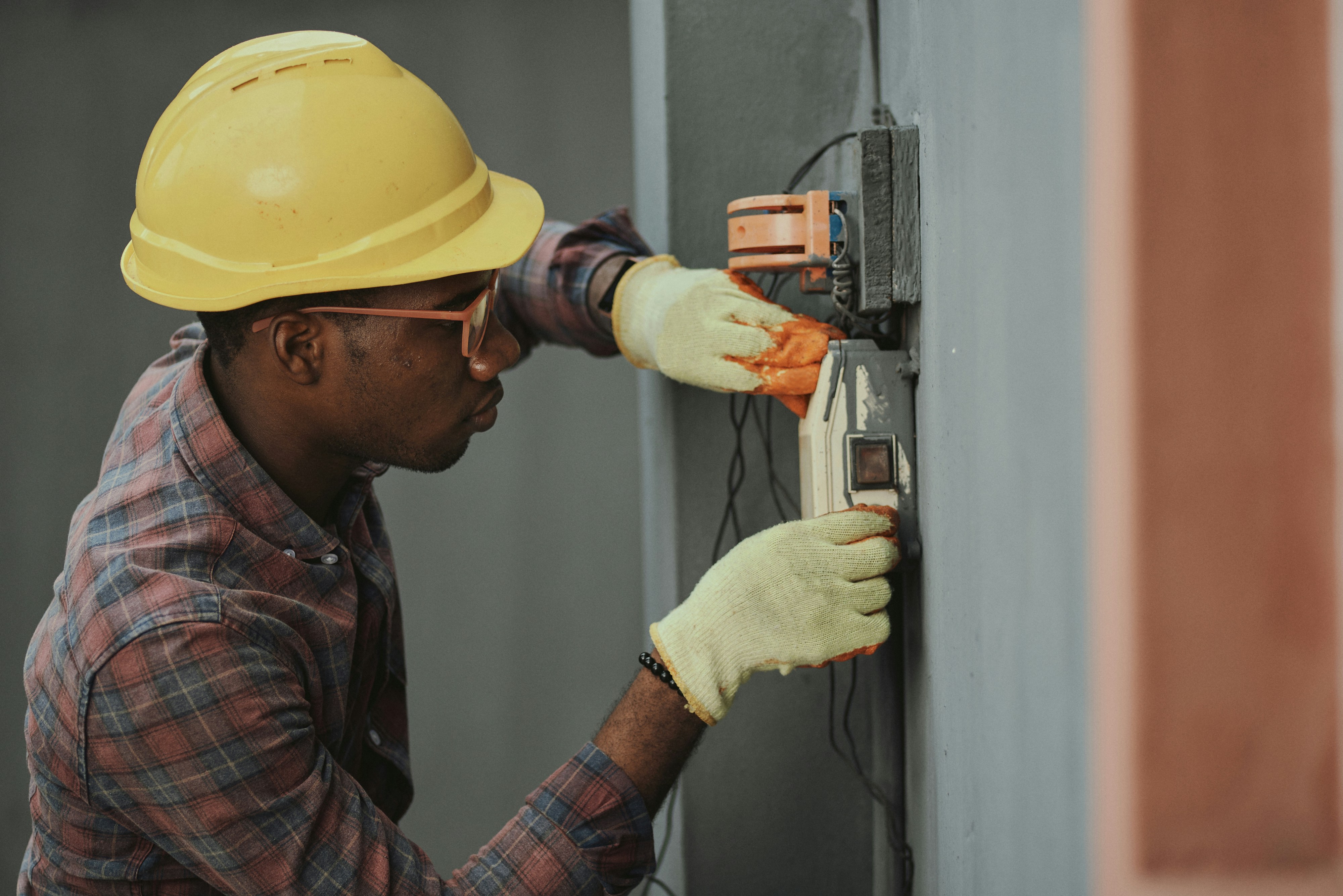
You may have heard the dire warning from a well-meaning friend or colleague: "Don't buy a house with aluminum wiring in it!" While your chances of finding any newly constructed home with aluminum wiring are pretty slim, many older homes still have their original electrical systems intact. That doesn't necessarily mean you need to have all your wiring replaced right away. Here's how to find out if your home has aluminum wiring and what to do about it.
Is Aluminum Wiring Safe?
Unfortunately, no, the aluminum wiring that was common in homes built in the 1960s and 70s is prone to loosening, breaking, oxidizing, and other issues that increase the risk of an electrical fire. These days, aluminum wiring for residential homes has largely been phased out in favor of copper wiring.
What Makes Aluminum Wiring Dangerous?
According to the U.S. Consumer Product Safety Commission, homes with aluminum wiring are 55 times more likely to have at least one outlet connection reach "fire hazard conditions" such as hot receptacles, electrical sparks, and charred materials.
Aluminum expands and contracts far more than copper does in load temperature changes, which can cause connections to come loose, or worse, expose the bare wires. Prolonged exposure can corrode and oxidate the wires and overheat where it connects to outlets, light fixtures, or where it splices.
In addition to the expansion, loosening, and oxidation problems, aluminum wires are also less malleable, and over time, become more susceptible to breaks, frayed edges, and fire risk.
The Vicious Cycle
What's more, these problems begin to reinforce each other in a vicious cycle:
- The expansion and loosening mean the connections begin to deteriorate, creating more fire risk.
- As resistance builds in the wire, the hotter the wire becomes.
- As the wire heats up, it expands more.
- As the wire expands, the more the connections deteriorate.
That's not to say that all aluminum wiring is dangerous. Large-diameter aluminum wires are safe for use in some commercial purposes and even in some airplanes. However, it's definitely worth a closer look when it's incorporated into an older home's electrical system.
How to Tell If Your Home Has Aluminum Wiring
Aluminum wiring may be a fire risk, but it is fairly easy to identify visually or with the help of a professional electrician near you.
1. Know Your Home's History
Your first clue in the hunt for aluminum wiring is your home's age. Homes built during the mid-1960s to the early 1970s probably have aluminum wiring. (After that date, most home construction switched to copper wires.)
2. Check Visible Cables in the Basement or Attic
Next, inspect any exposed wiring that runs through your attic, basement, or other unfinished spaces in your home. Look for markings that read "AL" or "aluminum" on one side of the plastic sheath of the cables covering your wiring. The labeling should repeat every few feet or so.
Remember, look but do not touch, as live wires can be very dangerous. If you're unsure, can't find any markings, or don't see a safe way to examine the sheath, then call a professional electrician to determine whether your home has aluminum or copper wiring.
3. Look for Common Warning Signs
Aluminum wires are notorious overheaters. Touch the surface of the plate covers on your outlets and switches, which should feel cool or neutral. Warm connection points may signify an electrical issue. Flickering lights or the smell of burning plastic are also key aluminum indicators.
Should I Replace Aluminum Wiring in My House?
If your home contains aluminum wiring, you should strongly consider replacing the wiring, but you have a few options here.
1. Replace Your Aluminum Wiring
The safest course of action is to completely replace the aluminum wiring in your home with safer copper wires. The cost to rewire your home ranges from $1,500 to $10,000 or more, depending on the size of your home and your local safety codes. You should also factor in the costs for permitting and inspections.
2. Replace Connection Points Where the Aluminum Wire is Exposed
Alternatively, when rewiring the whole house isn't in the budget, you can hire a licensed electrician to make the connections safe by adding a short section of copper wire to the end of each aluminum wire. That way, your switches and outlets are connected to copper rather than aluminum.
While this solution won't completely resolve every potential problem associated with aluminum wiring, it addresses places where loose wires are most likely to create gaps, greater resistance, higher heat, and fire risk.